
Do Swim Lessons Actually Prevent Drowning? What Parents Should Know About Water Safety
For many parents, enrolling their child in swim lessons feels like an important step toward safety.
But a common and very important question comes up:
Do swim lessons actually prevent drowning?
The answer is nuanced.
Swim lessons are one of the most effective ways to help children become safer around water — but they are not a replacement for supervision or layered safety measures.
For families in Southern California, where children are frequently around pools, beaches, and water recreation, understanding what swim lessons can (and cannot) do is essential.
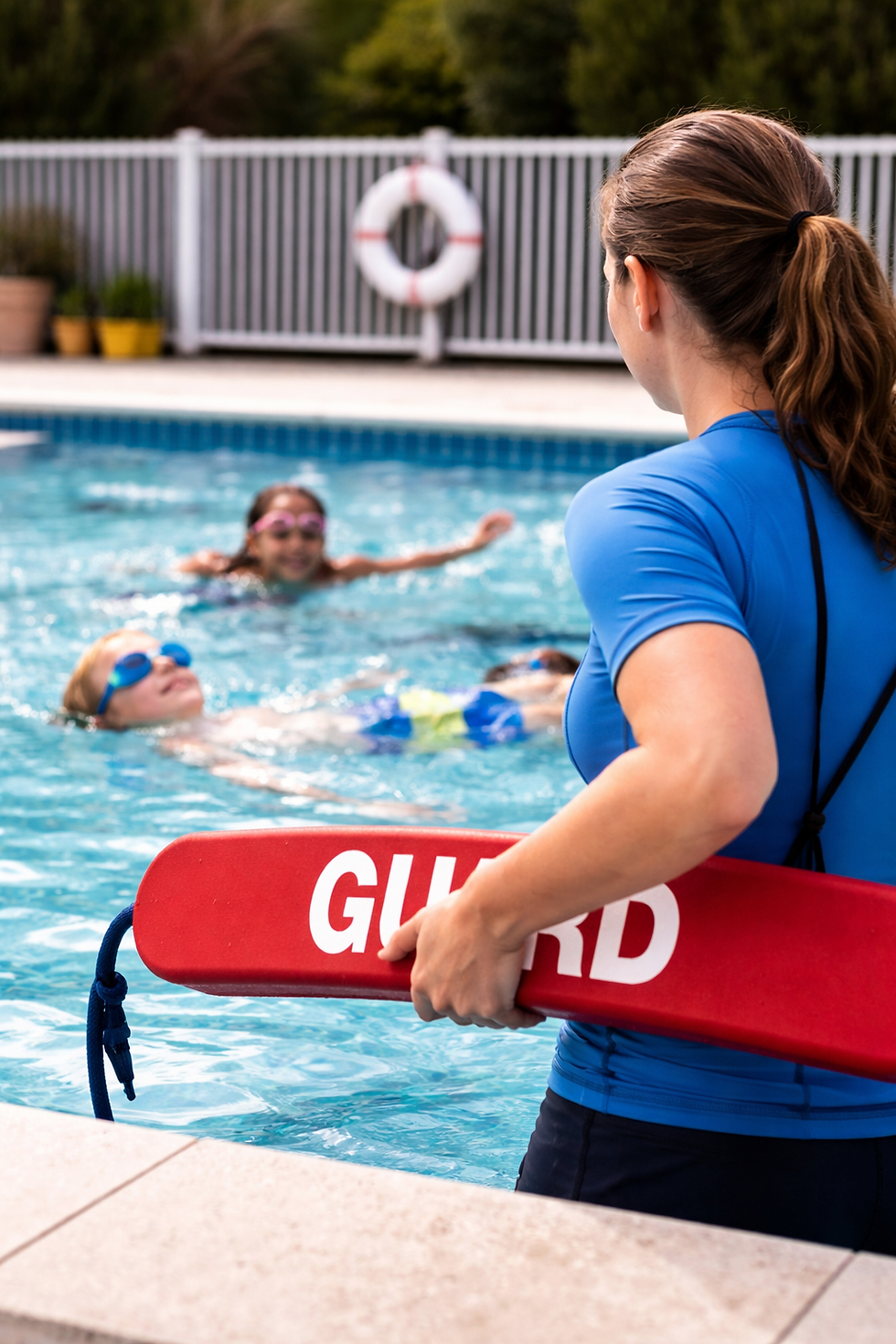
What Swim Lessons Do Well
Swim lessons play a critical role in helping children develop the skills they need to navigate water safely.
Children who participate in structured swim instruction learn how to:
Float on their back to keep their airway above water
Move toward the wall or a safe exit
Control their breathing
Stay calm instead of panicking
Build familiarity with water environments
These skills significantly improve a child’s ability to respond if they unexpectedly enter the water.
What Swim Lessons Do Not Replace
While swim lessons are valuable, they are only one part of water safety.
Even strong swimmers can find themselves in situations where they need help.
Swim lessons do not replace:
Active adult supervision
Pool barriers and safety gates
Life jackets in open water
Awareness of surroundings
Water safety works best when these layers are combined.
Why “Water Competency” Matters More Than Just Swimming
Modern swim education focuses on the idea of water competency, which includes more than just swimming from one side of the pool to the other.
Water competency means a child can:
Enter the water safely
Surface and control their breathing
Float or tread water
Change direction and move toward safety
Exit the water independently
These combined abilities are what truly help reduce risk.
Why This Is Especially Important in Southern California
Families in Orange County, the Inland Empire, and surrounding Southern California communities often have consistent access to water through:
Backyard pools
Community pools
Beaches
Resorts and recreational facilities
Because children are exposed to water more frequently, developing strong water awareness and safety habits becomes even more important.
Regular swim instruction helps children stay comfortable and prepared in these environments.
What Research Suggests About Swim Lessons and Drowning Risk
Research has shown that formal swim lessons can help reduce the risk of drowning, particularly for young children.
However, the most important takeaway is this:
Swim lessons reduce risk — they do not eliminate it.
This is why swim instruction is most effective when combined with supervision and safety planning.
The Best Approach: Layered Water Safety
The most effective way to protect children around water is through a layered approach.
This includes:
Swim lessons to build skills and confidence
Constant supervision when children are near water
Physical barriers like fences and pool covers
Safety awareness and clear rules
Prepared adults who know how to respond in an emergency
Each layer plays an important role in keeping children safe.
Frequently Asked Questions About Swim Lessons and Drowning Prevention
Do swim lessons prevent drowning?
Swim lessons help reduce the risk of drowning by teaching children important survival skills such as floating, breath control, and moving toward safety. However, they do not eliminate the risk entirely. Swim instruction should always be combined with active supervision and other safety measures to provide the best protection.
At what age do swim lessons start helping with safety?
Children can begin developing water safety skills at a young age, often starting with basic comfort and familiarity in the water. As they grow, they build more advanced skills like floating and movement. Early exposure helps children become more comfortable and aware in aquatic environments over time.
Can a child who knows how to swim still be at risk?
Yes, even children who can swim are still at risk in certain situations. Fatigue, panic, or unexpected conditions can affect a child’s ability to respond in the water. This is why supervision and safety precautions are always necessary, regardless of swimming ability.
What is the difference between swimming ability and water safety?
Swimming ability often refers to moving through the water using strokes, while water safety includes a broader set of skills such as floating, controlling breathing, and reaching safety. Water safety focuses on helping children stay calm and respond effectively in real-life situations.
Are swim lessons enough to keep kids safe around pools?
Swim lessons are an important part of water safety, but they are not enough on their own. Children should always be supervised around water, and additional safety measures like pool barriers and clear rules should be in place to reduce risk.
For families throughout Southern California, developing strong water safety skills is an important step in helping children feel confident and prepared in aquatic environments. Premier Swim Academy offers structured swim programs designed to help children build comfort, awareness, and swimming ability at every stage of development. Parents who want to explore swim lesson options can learn more by visiting https://premierswimacademy.com/.


Comments